A late study, a meta-examination of more than 750,000 individuals drawn from more than 14 unique studies, analyzed the part of entire grain utilization in looking after wellbeing. In particular, the scientists took a gander at the rates of aggregate mortality, cardiovascular mortality (CVD), and disease mortality concerning utilization of entire grain servings. They contrasted the individuals who expended the most with the individuals who devoured the slightest. In any case, such research once in a while causes more disarray and contention than it answers; particularly as other late information appears to show high starch utilization as a dietary regimen to be maintained a strategic distance from. It is something reflected in the present media buzz that the prominence of methodologies like The Paleo Diet highlight.
Here in the befuddling gathering of sugar conditions; definition has any kind of effect in having the capacity to wade through the information and the diversion. Firstly, what precisely is an "entire grain?" According to the Whole Grains Council:
"Entire grains or sustenances produced using them contain all the vital parts and actually happening supplements of the whole grain seed in their unique extents. In the event that the grain has been handled (split, smashed, rolled, expelled, and/or cooked), the nourishment item ought to convey the same rich parity of supplements that are found in the first grain seed.
"This definition implies that 100 percent of the first bit—the greater part of the wheat, germ, and endosperm—must be available to qualify all in all grain."
Copyright Red Tail Productions, LLC
Source: Copyright Red Tail Productions, LLC
Entire grain is not the same thing as multi-grain or the ever misleadingly well known 12-grain. These terms have no lawful importance and simply propose the nearness of more than one grain sort; all of which might be refined flours. The same is valid for the expression "wheat flour," this is only a cunning approach to advertise refined white flour. Both "blanched" and "unbleached wheat flour" are, you gotten it, refined white flour. On the off chance that the bundle peruses just "wheat bread," it is likely produced using a dominant part, if not by any stretch of the imagination, from refined wheat flour.
Similarly, "made with entire grains," and "multi grain," might be fabricated predominately with refined white flour. Items that convey the expression "high in fiber," may have had fiber added substances; like carboxymethylcellulose (CMC), maltodextrin or different mixes included amid the assembling procedure. The expression that implies something (in the US at any rate, as it fluctuates by nation) is "entire wheat" or "entire grain entire wheat;" this infers you are getting entire grain wheat items.
Refining is a procedure that ordinarily expels the wheat and the germ, leaving just the endosperm. Evacuating the endosperm expels unsaturated fats, and along these lines altogether builds time span of usability. In any case, without the wheat and germ, around 25 percent of a grain's protein is likewise lost, and the remaining item is enormously diminished in no less than seventeen key supplements.
Processors can include back a few vitamins and minerals to supplement refined grains, so refined items marked "enhanced," can even now contribute significant supplements. Nonetheless, they regularly stay substandard compared to entire grains as far as protein, fiber and numerous vital vitamins and minerals.
All grain items contain sugars. Refined wheat flour items, since they contain for the most part endosperm, are predominately sugar in sythesis. Sugars can be characterized artificially as nonpartisan mixes of carbon, hydrogen and oxygen. Starches come in basic structures, for example, sugars and in complex structures, for example, starches and fiber.
Every straightforward starch are sugars. These starches are made of only maybe a couple sugar particles. They are a brisk wellspring of vitality, and they are immediately processed. This can prompt a fast ascent in glucose levels after ingestion and why such nourishments high in sugars by and large have a high glycemic list (GI).
Copyright Red Tail Productions, LLC
Source: Copyright Red Tail Productions, LLC
Complex sugars are bigger mixes and comprise of both starches and fiber. Fiber comes as insoluble and solvent. Foods grown from the ground are the main dietary wellsprings of essential dissolvable fiber. Alongside entire grains, beans, beats, vegetables, nuts and seeds such sustenances supply the dissolvable and insoluble fiber required for our gastrointestinal wellbeing and also the strength of our gut small scale biome.
Entire grains might be eaten entire, broke, split or ground. They can be processed into flour or used to make breads, oats and other prepared nourishments. In the event that a sustenance mark expresses that the bundle contains entire grain, the "entire grain" part of the nourishment inside the bundle is required to have the same extents of wheat, germ, and endosperm as the collected piece does before it is handled. Ensure you utilize this as an aide and search for this while sourcing your nourishments.
The late research paper led an entire grains meta-investigation and indicated great advantage to including such edibles as a major aspect of an energizing dietary strategy. Numerous indigenous eating methodologies and methodologies like the Mediterranean Diet accentuate these wholesome, bona fide sustenances over very prepared ones. The gathering eating the most entire grains, contrasted with the gathering expending the slightest, decreased their general death rate by 16 percent. They were 12 percent less inclined to pass on from tumor and 18 percent more averse to kick the bucket from cardiovascular sickness. Curiously, another late study taking a gander at grain, a Mediterranean staple, demonstrated that it altogether decreased two unique types of LDL, or "terrible" cholesterol.
Each 16g/day serving of entire grains, a sum which is viewed as a day by day serving, diminished aggregate mortality by 7 percent, growth mortality by 5 percent and cardiovascular mortality by 9 percent. The most elevated shoppers ate three or more servings for every day. In different concentrates, entire grains have likewise been appeared to fundamentally decrease the frequency of stroke and sort II diabetes (T2DM). Current Dietary Guidelines for Americans suggests no less than three servings for each day of entire grain consumption.
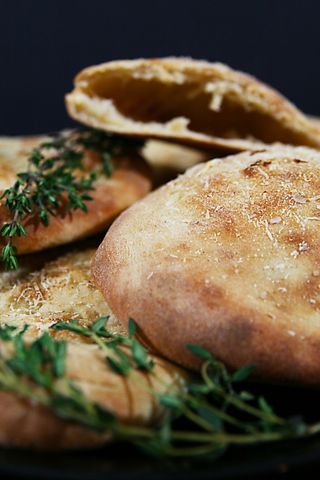
Counting such entire grains in the eating routine does not generally require the utilization of gluten, either. Gluten is just found in wheat (all assortments), grain, rye and triticale (a rye/wheat half breed). That gluten free meat and cheddar lunch time combo ought to be sans gluten without paying an additional dime for it. It's somewhat similar to charging you additional for water with ice. Different choices that are sans gluten incorporate a few seeds, however since they are arranged and expended like grains they are normally included with them. Utilizing grew flours or strategies like sourdough aging can likewise diminish the gluten content, in spite of the fact that not totally kill it. Keep in mind, legislative measures just require that:
"By and large, sustenances might be marked "without gluten" on the off chance that they meet the definition and generally agree to the last tenet's prerequisites. All the more particularly, the last govern characterizes "without gluten" as implying that the nourishment either is inalienably gluten free; or does not contain a fixing that is: 1) a gluten-containing grain (spelt wheat); 2) got from a gluten-containing grain that has not been prepared to expel gluten (e.g., wheat flour); or 3) got from a gluten-containing grain that has been handled to evacuate gluten (wheat starch), if the utilization of that fixing results within the sight of 20 sections for every million (ppm) or more gluten in the sustenance. Additionally, any unavoidable nearness of gluten in the nourishment must be under 20 ppm." So without gluten, a deliberate marking, is under 20 ppm per serving; not zero.
Here in the befuddling gathering of sugar conditions; definition has any kind of effect in having the capacity to wade through the information and the diversion. Firstly, what precisely is an "entire grain?" According to the Whole Grains Council:
"Entire grains or sustenances produced using them contain all the vital parts and actually happening supplements of the whole grain seed in their unique extents. In the event that the grain has been handled (split, smashed, rolled, expelled, and/or cooked), the nourishment item ought to convey the same rich parity of supplements that are found in the first grain seed.
"This definition implies that 100 percent of the first bit—the greater part of the wheat, germ, and endosperm—must be available to qualify all in all grain."
Copyright Red Tail Productions, LLC
Source: Copyright Red Tail Productions, LLC
Entire grain is not the same thing as multi-grain or the ever misleadingly well known 12-grain. These terms have no lawful importance and simply propose the nearness of more than one grain sort; all of which might be refined flours. The same is valid for the expression "wheat flour," this is only a cunning approach to advertise refined white flour. Both "blanched" and "unbleached wheat flour" are, you gotten it, refined white flour. On the off chance that the bundle peruses just "wheat bread," it is likely produced using a dominant part, if not by any stretch of the imagination, from refined wheat flour.
Similarly, "made with entire grains," and "multi grain," might be fabricated predominately with refined white flour. Items that convey the expression "high in fiber," may have had fiber added substances; like carboxymethylcellulose (CMC), maltodextrin or different mixes included amid the assembling procedure. The expression that implies something (in the US at any rate, as it fluctuates by nation) is "entire wheat" or "entire grain entire wheat;" this infers you are getting entire grain wheat items.
Refining is a procedure that ordinarily expels the wheat and the germ, leaving just the endosperm. Evacuating the endosperm expels unsaturated fats, and along these lines altogether builds time span of usability. In any case, without the wheat and germ, around 25 percent of a grain's protein is likewise lost, and the remaining item is enormously diminished in no less than seventeen key supplements.
Processors can include back a few vitamins and minerals to supplement refined grains, so refined items marked "enhanced," can even now contribute significant supplements. Nonetheless, they regularly stay substandard compared to entire grains as far as protein, fiber and numerous vital vitamins and minerals.
All grain items contain sugars. Refined wheat flour items, since they contain for the most part endosperm, are predominately sugar in sythesis. Sugars can be characterized artificially as nonpartisan mixes of carbon, hydrogen and oxygen. Starches come in basic structures, for example, sugars and in complex structures, for example, starches and fiber.
Every straightforward starch are sugars. These starches are made of only maybe a couple sugar particles. They are a brisk wellspring of vitality, and they are immediately processed. This can prompt a fast ascent in glucose levels after ingestion and why such nourishments high in sugars by and large have a high glycemic list (GI).
Copyright Red Tail Productions, LLC
Source: Copyright Red Tail Productions, LLC
Complex sugars are bigger mixes and comprise of both starches and fiber. Fiber comes as insoluble and solvent. Foods grown from the ground are the main dietary wellsprings of essential dissolvable fiber. Alongside entire grains, beans, beats, vegetables, nuts and seeds such sustenances supply the dissolvable and insoluble fiber required for our gastrointestinal wellbeing and also the strength of our gut small scale biome.
Entire grains might be eaten entire, broke, split or ground. They can be processed into flour or used to make breads, oats and other prepared nourishments. In the event that a sustenance mark expresses that the bundle contains entire grain, the "entire grain" part of the nourishment inside the bundle is required to have the same extents of wheat, germ, and endosperm as the collected piece does before it is handled. Ensure you utilize this as an aide and search for this while sourcing your nourishments.
The late research paper led an entire grains meta-investigation and indicated great advantage to including such edibles as a major aspect of an energizing dietary strategy. Numerous indigenous eating methodologies and methodologies like the Mediterranean Diet accentuate these wholesome, bona fide sustenances over very prepared ones. The gathering eating the most entire grains, contrasted with the gathering expending the slightest, decreased their general death rate by 16 percent. They were 12 percent less inclined to pass on from tumor and 18 percent more averse to kick the bucket from cardiovascular sickness. Curiously, another late study taking a gander at grain, a Mediterranean staple, demonstrated that it altogether decreased two unique types of LDL, or "terrible" cholesterol.
Each 16g/day serving of entire grains, a sum which is viewed as a day by day serving, diminished aggregate mortality by 7 percent, growth mortality by 5 percent and cardiovascular mortality by 9 percent. The most elevated shoppers ate three or more servings for every day. In different concentrates, entire grains have likewise been appeared to fundamentally decrease the frequency of stroke and sort II diabetes (T2DM). Current Dietary Guidelines for Americans suggests no less than three servings for each day of entire grain consumption.
Counting such entire grains in the eating routine does not generally require the utilization of gluten, either. Gluten is just found in wheat (all assortments), grain, rye and triticale (a rye/wheat half breed). That gluten free meat and cheddar lunch time combo ought to be sans gluten without paying an additional dime for it. It's somewhat similar to charging you additional for water with ice. Different choices that are sans gluten incorporate a few seeds, however since they are arranged and expended like grains they are normally included with them. Utilizing grew flours or strategies like sourdough aging can likewise diminish the gluten content, in spite of the fact that not totally kill it. Keep in mind, legislative measures just require that:
"By and large, sustenances might be marked "without gluten" on the off chance that they meet the definition and generally agree to the last tenet's prerequisites. All the more particularly, the last govern characterizes "without gluten" as implying that the nourishment either is inalienably gluten free; or does not contain a fixing that is: 1) a gluten-containing grain (spelt wheat); 2) got from a gluten-containing grain that has not been prepared to expel gluten (e.g., wheat flour); or 3) got from a gluten-containing grain that has been handled to evacuate gluten (wheat starch), if the utilization of that fixing results within the sight of 20 sections for every million (ppm) or more gluten in the sustenance. Additionally, any unavoidable nearness of gluten in the nourishment must be under 20 ppm." So without gluten, a deliberate marking, is under 20 ppm per serving; not zero.
